

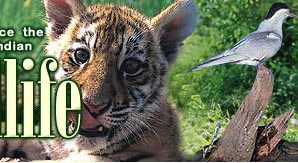
India is home to a rich variety of flora and fauna. To showcase and preserve this diverse willife, numerous National Parks and wildlife sanctuaries have been set up all over the country. The National Parks of India not only helps in preservationa of wildlife but also provide a chance to wildlife lovers and enthusiasts to explore wildlfe of their choice. Though the National Parks have numerous animals and plants to offer but every individual National Park is known for a particular wild life species. In National parks like Ranthambore, Sundarbans,sariska, Kanha and Bandhavgarh the wildlife lovers can sopt the magnificent tigers where as National parks such as Gir are home to the Asiatic Lions. In the Kaziranga National Park you can spot the wonderful Rhinos while the Corbett provides you an opportunity to admire elaphants in their natural habitat.
Bandhavgarh National Park
The Bandhavgarh National Park /wildlife sanctuary is small compared to others but its high game density makes it one of the adventurous and important tiger reserves in India. The Bandhavgarh tiger reserve is spread over an area of about 448sq km and is home to a wide variety of animals including carnivores, primates, ungulates, reptiles and avian life.
Bandipur National Park
Bandipur National Park/Wildlife Sanctuary lies halfway down the Mysore-Ooty highway. Bandipur National Park is one of India's best-known wildlife reserves. Located in the Chamarajanagar district of Karnataka, it touches the states of Tamil Nadu and Kerala.
Corbett National Park
Jimm Corbett National Park is located in Ramnagar of Uttaranchal/Uttarakhand state of India. It is also India's first National Park. The Corbett National Park was first called as the Hailey national Park, named after the then Governor of the United Provinces, Sir Malcolm Hailey.
Dudhwa National Park
With more than 50 feet tall Sal trees, sunlight trying to touch the ground, dragonflies stretching out their wings under the tender warmth of the sun. Sitting firmly on the dew fresh leaves, they bask to recharge themselves for the day. The melodious chirping of koyal/cuckoo welcomes the new morning.
Kanha National Park
The Kanha National Park cum tiger reserve is located in the Mandla district of Madhya Pradesh and extends over an area of about 1,940 Sq Kms. The Surpan River passes through the central plains and grasslands of the Kanha National Park that cover the extensive plateau. Kanha became famous with the Jungle Book of Rudyard Kipling, the famous English author.
Kaziranga National Park
Spread over an area of about 430-sq-kms, the Kaziranga National Park is located on the banks of Brahmaputra River in Assam state of India. The swamps and tall elephant grass make Kaziranga the ideal habitat for the Indian One-Horned Rhino. The Kaziranga National Park was declared a wildlife sanctuary in the year 1940.
Keoladeo Ghana National Park
Keoladeo National Park is situated in Bharatpur district of Rajasthan. It is also known as Bharatpur bird sanctuary. Keoladeo National Park /wildlife Sanctuary is famous as bird's paradise, with over 380 resident and migrant species of birds, including the Common, Demoiselle and the rare Siberian Cranes.
Nagarhole National Park
Nagarhole National Park is spread over an area of about 247 Sq Miles in Karnataka state of India. The national park/ wildlife sanctuary has abundance of wildlife that includes tiger, leopard, wild elephant, Indian wild dog, gaur (Indian bison), chital (spotted deer), muntjac (barking deer), mouse deer, four-horned antelope, wild boar, sloth bear, hyena, mongoose, civet, otter etc.
Ranthambore National Park
Situated in Sawai Madhopur district of Eastern Rajasthan, the Ranthambhore National Park was once the hunting preserve of the Maharajas of Jaipur. The Ranthambore National Park is bound by river Chambal in the South and river Banas in the North.
Gir National Park
Gir National park is the only home to the Asiatic Lions in India. The Gir National Park /wildlife sanctuary lies in the Gujarat peninsula in South-Western part of India. The terrain in and around the national park is rugged with low hills and the vegetation is mixed deciduous with Teak, Jamun, Acacia, Tendu and Dhak trees, sprinkled with patches of grasslands.
Sundarbans National Park
Sundarbans National Park is located in World's largest Delta formed by the confluence of the rivers Ganga, Brahmaputra and Meghana. The Sundarbans Wildlife Sanctuary is the world's largest estuarine sanctuary. The Sundarbans is not only a National Park but also a tiger reserve, a World Heritage site and a Biosphere reserve.
India Wildlife » India National Parks

